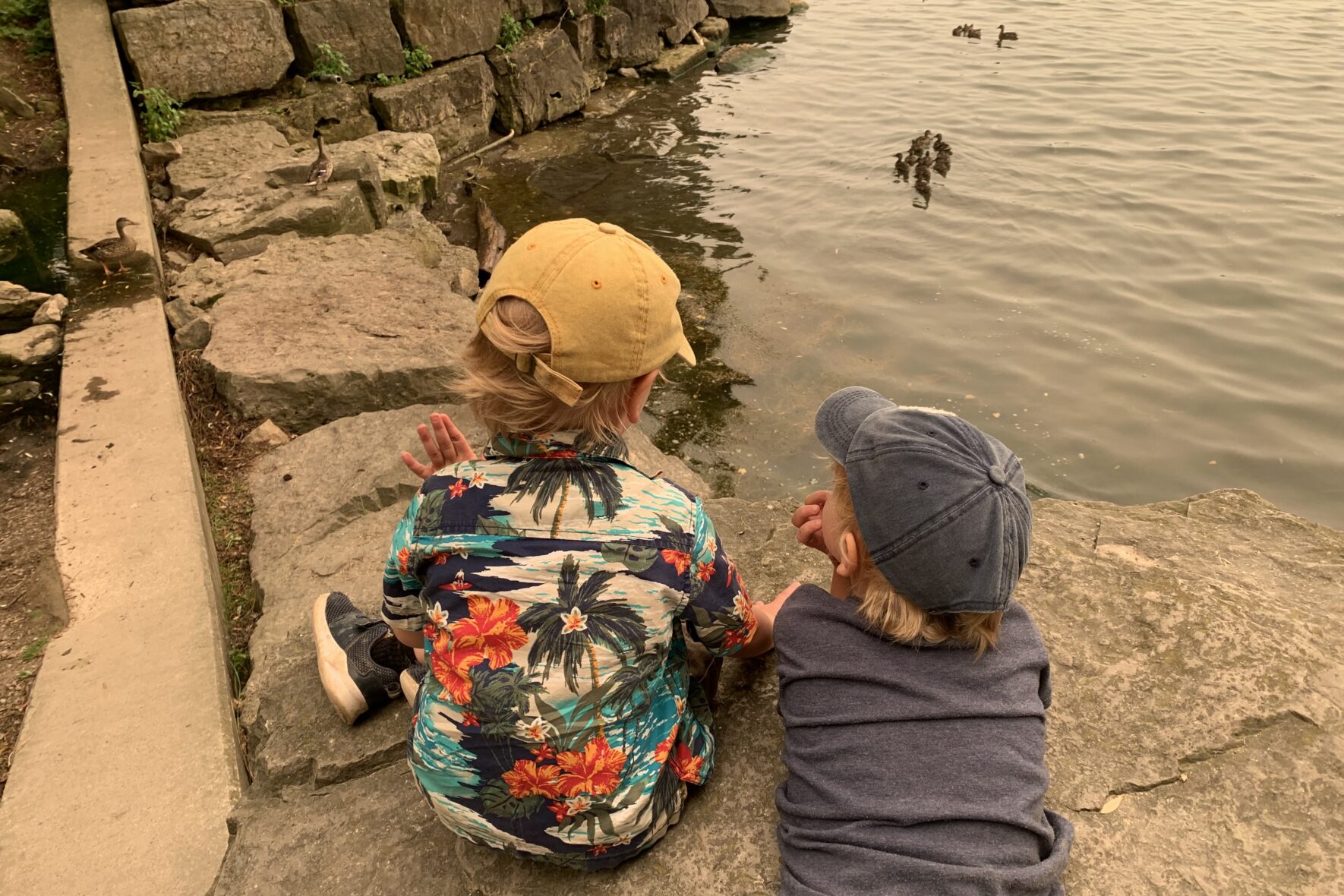
A slower Montessori-inspired summer with three toddlers works best when it’s simple, predictable, and most importantly gently paced. Still, there are plenty of organic opportunities for real, meaningful activities sprinkled through the day.
Infact, this post will show you how foundational Montessori principles like following the child, a prepared environment, and fostering freedom within limits are your tool kit to a relaxing summer season. The goal isn’t to keep them constantly entertained. The intent is to create an environment where they can explore independently, at their own pace. A slower, more intentional pace perhaps.
Here are six over reaching themes to keep in mind when shaping a slower Montessori summer your children will be nostalgic for.
1. Embrace A Slower Rhythm
What made the summers of our childhood feel so magical?
In a previous article, 10 Things I Do with My Children Every Day, I shared why our family values rhythm over routine.
I think one of the things we’re most nostalgic for about the summers of our childhood is the wide expanse of time. The long days filled with sunlight, later bedtimes, and the freedom that came from not having school the next morning. There was space to wonder what the day might bring without the pressure of a schedule to keep
That is the feeling I want to recreate for my own children. Summer doesn’t have to be packed with activities or planned to the minute to be memorable. I think some people have forgotten what it feels like to simply have nowhere to be. Our best days often unfold slowly, with plenty of time for imaginative play, lingering outside, following a new curiosity, or simply being together. When we embrace a slower rhythm, we leave room for the unexpected moments that often become the memories our children carry with them.
Our days are anchored by natural transitions: waking up, eating meals together, a nap midday, and the eventual winding down for bedtime. Everything in between is left open for our toddlers to move through at their own pace, free from rigid schedules.
2. Prioritize Being Outdoors
Summer day feels too precious to spend indoors. When you have three toddlers, waiting around for perfect weather is a luxury we do not have. We live and play by the moto that there’s no such thing as bad weather, only opportunities to explore the world as it is, if dressed correctly. We live in Canada, which means our summers are quite short. You have soak up every bit of summer while it’s here!
My children are outside every day in the summer, in all kinds of weather. Children are remarkably resilient. They naturally find wonder in the outdoors, no matter the forecast. In fact, my toddlers are more likely to take a greater interest in experiencing undesirable conditions. Rainy days bring storm watching, wet days gift deep puddles to splash in and windy days shake lose new stick-swords to play with.
We spend so much time playing outside, toy ration is essentially abandoned. Nature provides its one shelf rotation, offering something new to discover each day.
Wet & Rainy Days
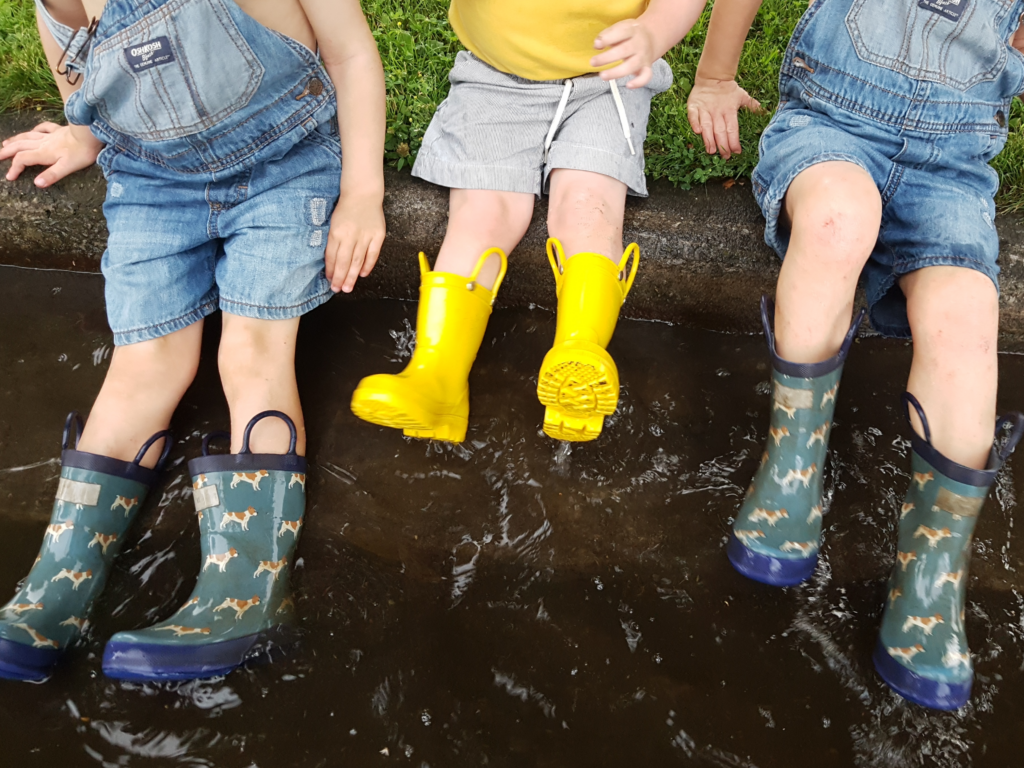
Just let go and embrace the mess. We head outside in clothes from the day before. Splashing in the puddles and sliding on the grass, they will be trashed in moments. Everything is washable. Their clothing are already second hand. They are free to squish their hands in mud, slap puddles with sticks and collect the worms fleeing down the driveway.
To make cleanup easier, we keep a stack of old rag towels waiting by the door. A quick wipe down to keep from tracking in the wet. Depending on the soaking they took, they may partially strip on the porch and carry their own clothes in. It gives them a little responsibility, and keeps my energy reserves up. Wet clothes go in plastic hamper bin in the bathroom, originally used in toilet learning.
Finding Stillness on the Hottest Days
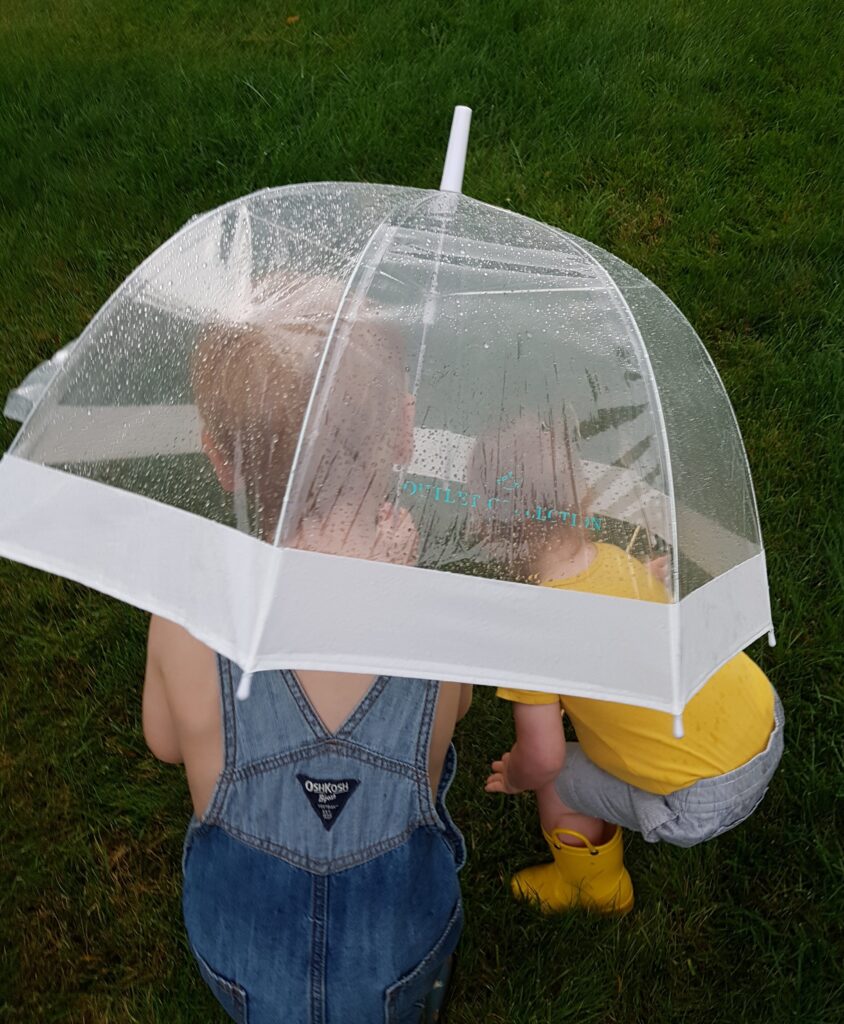
The hottest days are perfect for the quieter moments. We read stories outside, sing songs off the top of our heads, or simply rest together. I do appreciate how the heat naturally encourages much desired time for silence and stillness!
Like with rainy days, we just prepare for the weather. Each of my three toddlers has their own water bottle to be responsible for. The twins apply their own sunscreen, and everyone takes a hat.
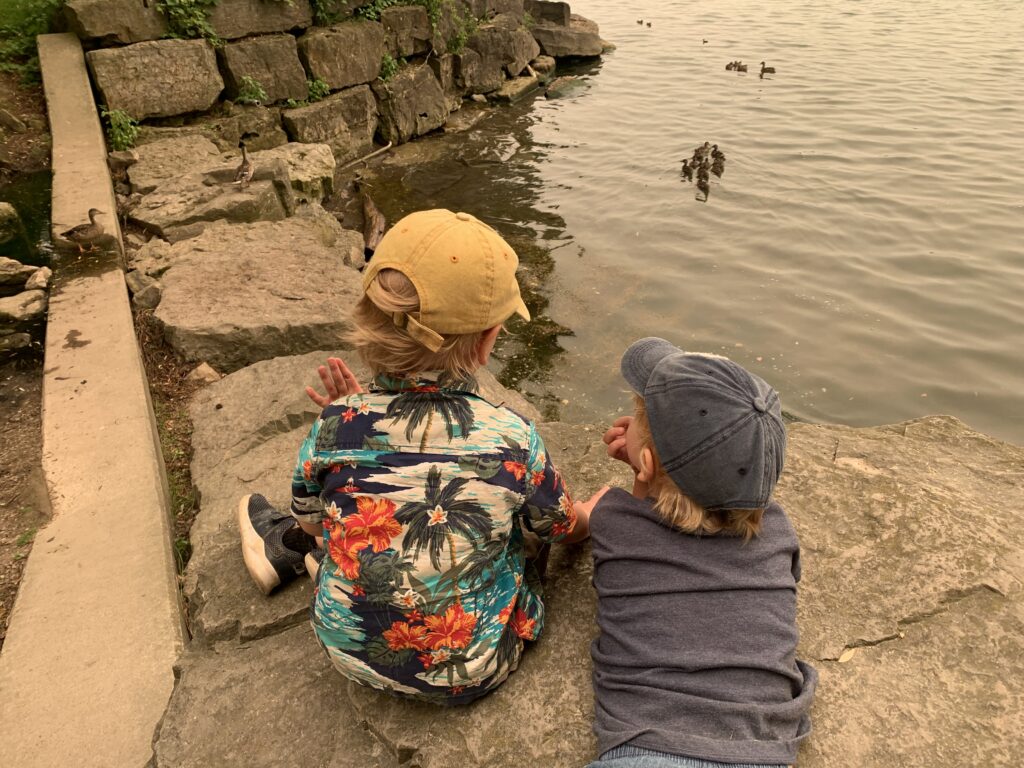
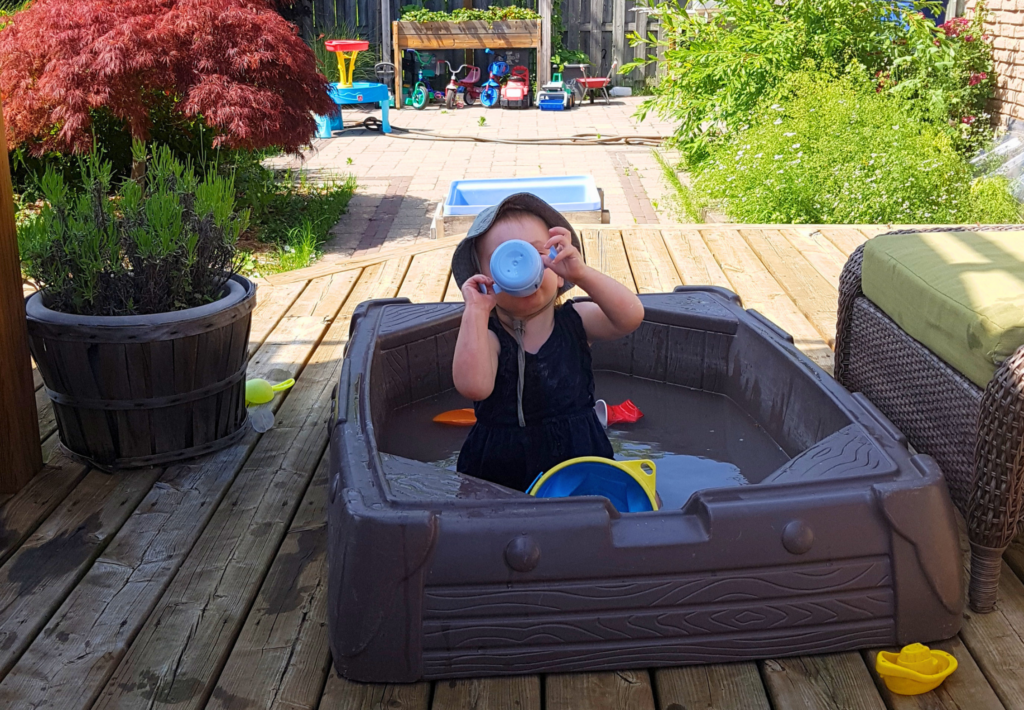
If at home, we follow the shade as it moves across the yard. A wet hat on little heads can cool flushed cheeks. Otherwise the kids like pulling up to the pool to soak their feet. Homemade popsicles or ice cream cones are also essential.
We may also take a blanket to the park to sit under a tree. They will sit close and point out details of their environment, or the people walking past, rather than climbing on the equipment. Sometimes the walk to and from is all the exercise we can handle.
3. Encourage Practical Life Activities in Summer
Independ Self Care Frees Up Everyone’s Time
In the interest of long, carefree summer days, I don’t want to spend my time constantly bending, lifting, and chasing after three toddlers just to meet their basic needs. As a Montessori mom (with multiples), my role is not their servant. I look to their environment so it works with them. Here’s a quick breakdown, room by room, of our Montessori home.
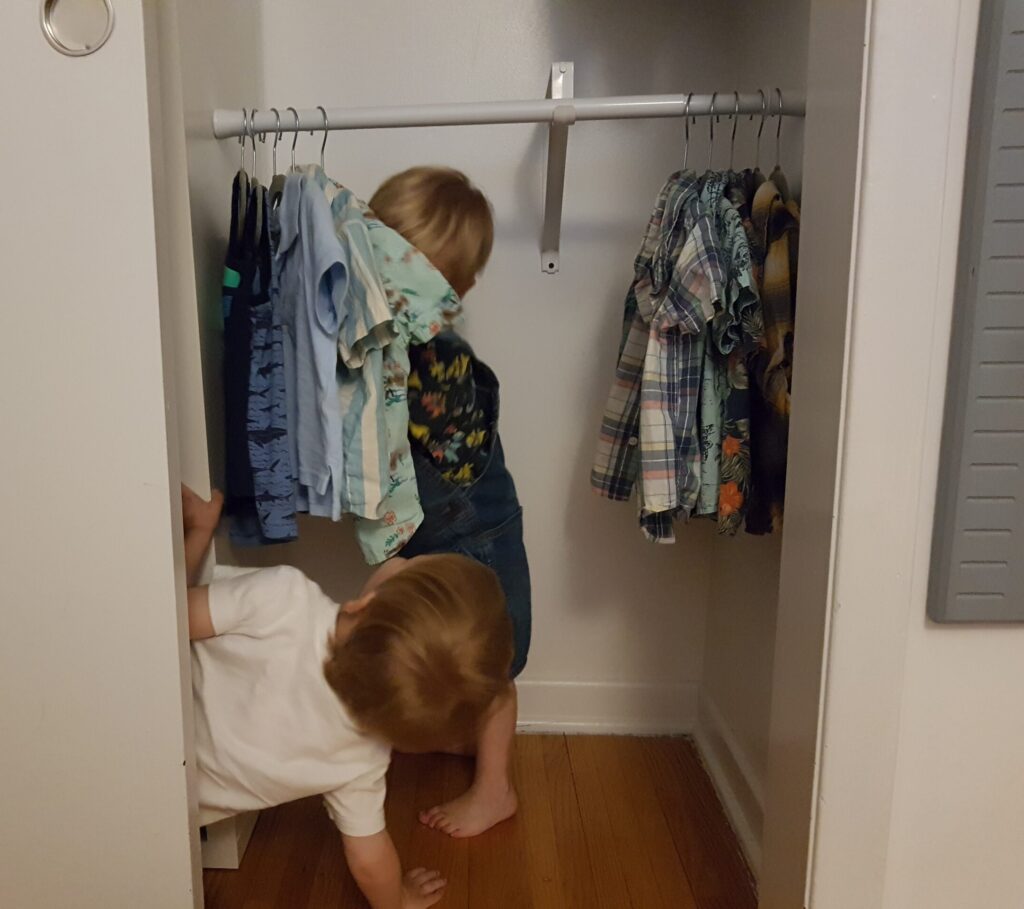
At just three years old, my twins can choose seasonally appropriate outfits from their Montessori-inspired capsule wardrobe, dress themselves, put on their own shoes, and head out the door ready for a day of outdoor adventures.
Bathroom breaks don’t mean I have to round everyone up either. My boys can take off their shoes, use the toilet independently (learn more about toilet learning for twins), wash their hands, put their shoes back on, and return to playing all on their own. Part of this is thanks to the preparation that went into our child accessible bathroom.
They feel the trust placed in them, and thrive. With three toddlers, that level of independence is essential. And their little sister is happily following right behind them, eager to learn those same skills.
Your Montessori Outdoor Classroom Is In The Garden
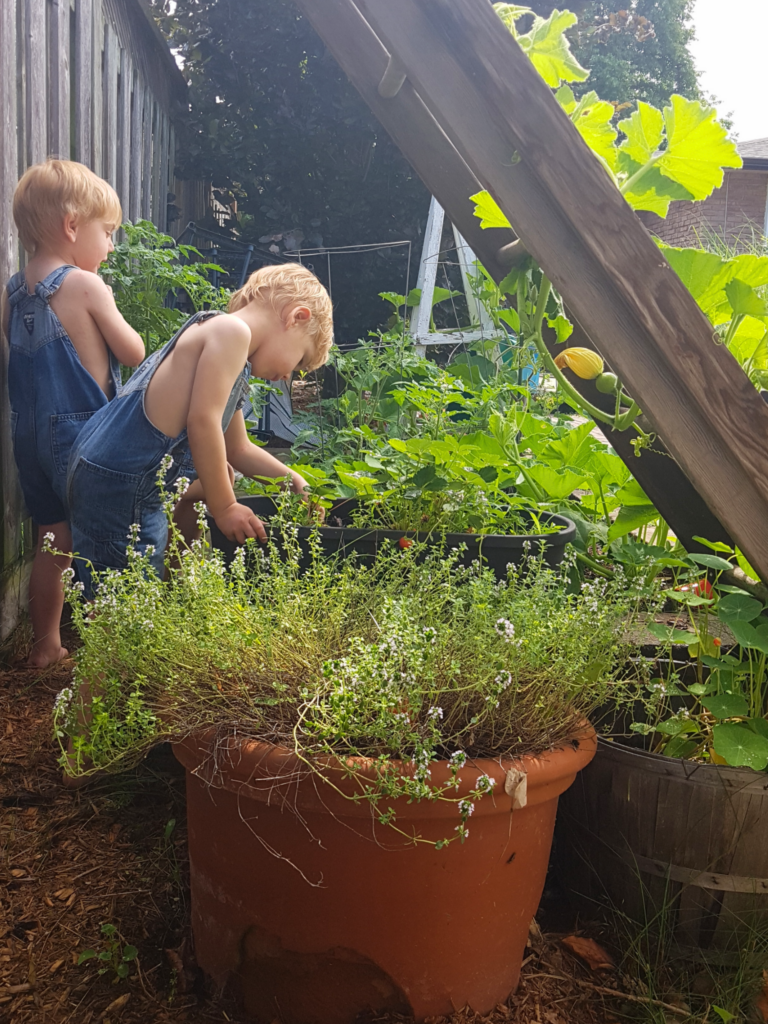
The garden is a perfect Montessori classroom. The space is never the same day to day. Children can see the full cycle of growth; from planting seeds, to nurturing growth, to harvesting fruits, flowers and vegetables. Birds, insects and other wildlife bring lots of activity to the garden too. All wonderful opportunities for practicing practical life skills and learning more about the world around them! Read more about how we created a Montessori Sensory Garden for our children to work in and explore.
Laid Back Summer Mealtimes That Foster Independence
On long, lazy summer days, everything between breakfast and bedtime is à la carte. We don’t want to waste the day committed to formal meal times. Besides, regular meals can feel too heavy when we’re busy playing in the sunshine.
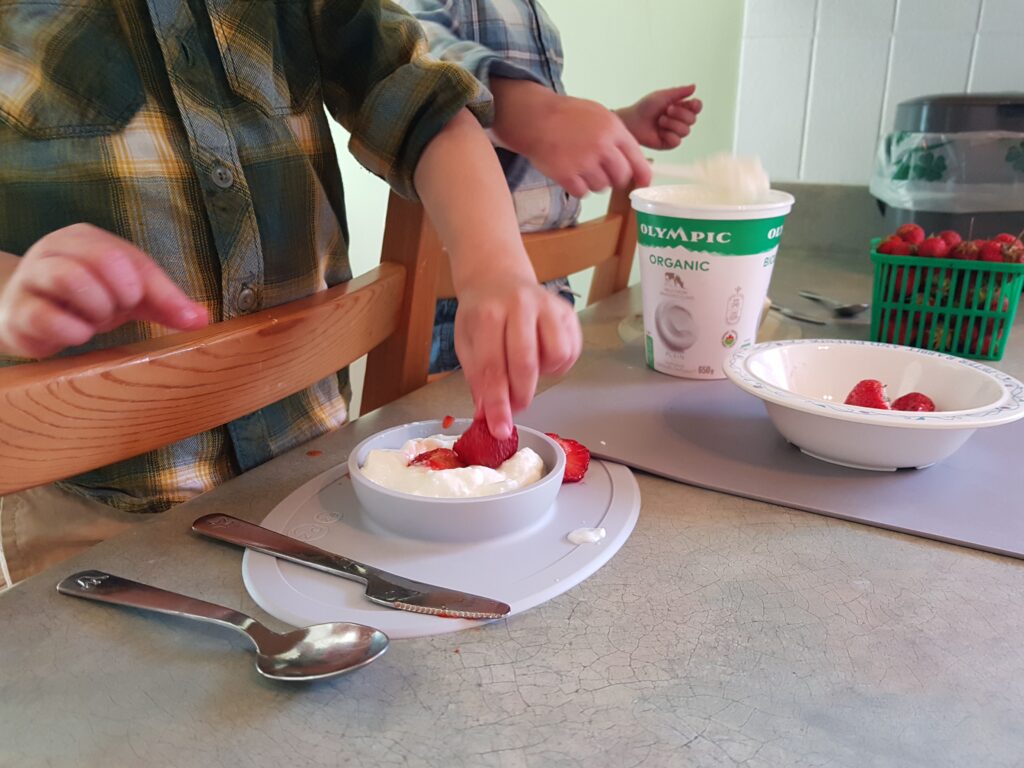
My child are responsibly for decided what they want to eat from a selection of appropriate foods in the fridge and cupboard. By stocking the fridge with easy to grab fruit, veg, cheese, yogurt, hard-boiled eggs, other self-serve foods, children are encouraged to make choices but those choices are already pre-approved by mom.
Assembly of ingredients is self-guided, but supervised. Again, freedom with limits is the difference between fostering independence and courting chaos. Often times we eat right here at the kitchen counter, or outside in the yard. Keeping meals flexible allows us to make the most of of the day, without constantly interrupting play to go indoors for long meal preparation.
This also lights my mental load. People under estimate how much goes into “whats for dinner?” with a larger family to account for. Instead my children take up some of that responsibility. Preparing their own food gives children practical life experience while helping them listen to their own hunger cues.
4. Find Simple Summer Time Traditions
Outdoor Story Times
Reading has always been a big part of our little ones lives. So much so, that it was part of my 10 Things I do with My Toddlers Everyday post. Reading and oral story time.
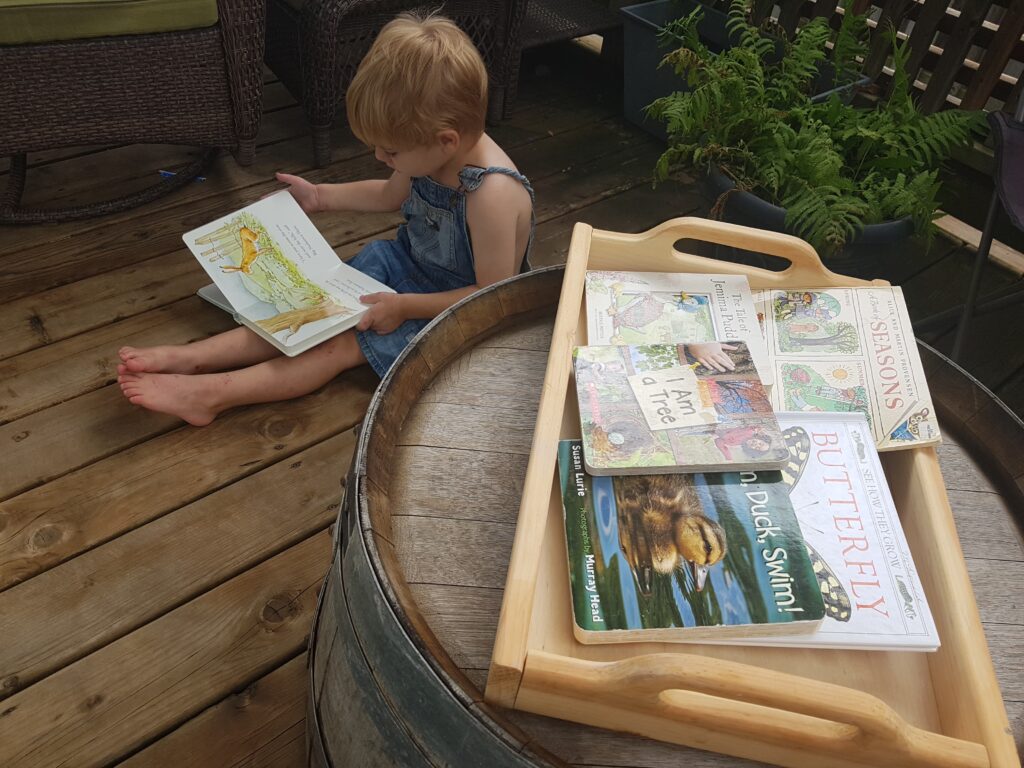
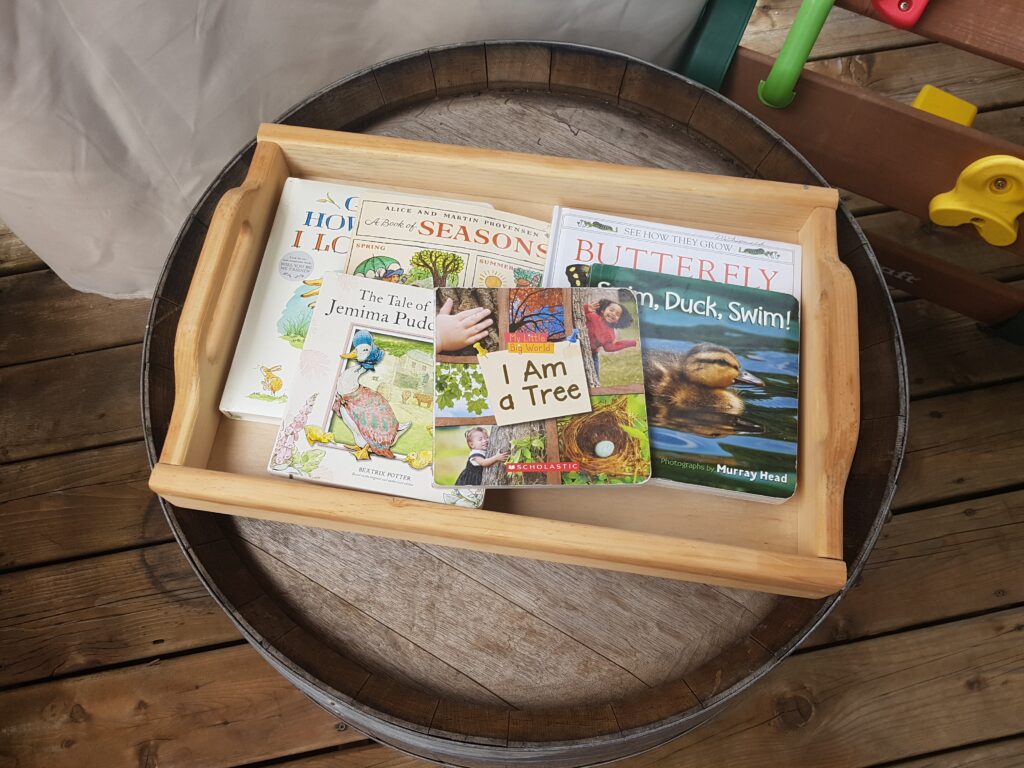
For us, books are sacred so its not a free for all. Montessori demands freedom within limits, showing respect from the materials both indoors and outdoors. No one is reading a book in their mud kitchen. Instead, we bring out a tray of books outdoors, positioned where they can sit in a shady, dry spot to read or be read to. The books come in when we do.
Often times the books are themed to nature in summer time to encourage making connections between what they see on the page and in the space around them.
Backyard Breakfast
Have your little ones ever been bursting with energy from the moment the alarm clock rang, and you are eager to get them outside into the sun shine?
Breakfast outdoors have quickly become a favourite of my children. During a particularly hot summer spell, the early morning may be the only safe time to get outside. We make the most of that with outdoor safe bowls and enjoy our breakfast in the cooler morning light.
Back Yard Camping (Nap Edition)
I am enchanted by the idea of backyard camping, but my mind is likely to start dredging up old unsolved mysteries episodes as I drift off. The “what if” suddenly feel like we are definitively at risk. I’m not sure overnight backyard camping will ever be a comfortable choice for us.
My compromise? Backyard camping at nap time.
We roll out an old workout mat, and spread a thin blanket over it. An honourable wink at camping without any of the nighttime anxiety. Sometimes we pack a little picnic or hang a blanket over outdoor furniture to make a tent. You may try having them pack a school backpack with their chosen “camping essentials”, and dramatically march out the back door to the camping site. It gives a little more whimsy to the experience.
Like I said, I have always been enchanted my the idea. Likely from books and kids tv shows. This lets us mimic the experience while letting me keep one eye (ok both, cause twins) open. Maybe someday I’ll be brave enough to sleep outside. Until then, afternoon camping with toddlers feels like the perfect little adventure.
5. Take Weekly (Not Daily) Adventures
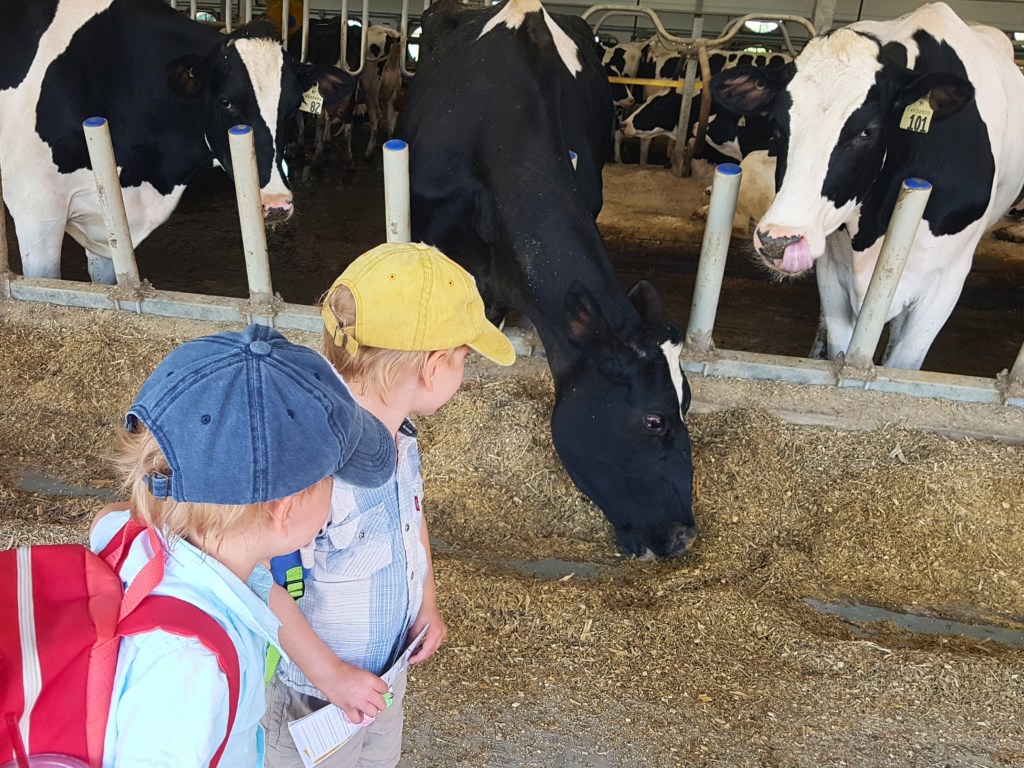
We live out in farm country, where there is an ever-rotating seasonal crop to pick (strawberries, cherries, peaches, apples…). We could spend the summer bouncing from one organized community event to another, but that is not the slow summer vibe I want to cultivate. It would mean too much time in the car, overdue naps, and having to pack, then unpack, before repeating it all the next day.
Instead of scheduling our entire summer, I take note of a few choice events we wouldn’t want to miss and let the rest of our weeks organically transition into trips to the park, the library, a BBQ, the farmers market, or some home baking.
Here’s a pro tip for solo parenting with three under three years, or just multiple young children: Outfit each of your little ones with a backpack. Not only does this give them a place to carry their own belongings—reusable water bottle, sunscreen, face wipes, and snacks—but they are also easier to keep track of and take hold of quickly.
6. Embrace Healthy Bordem for Children
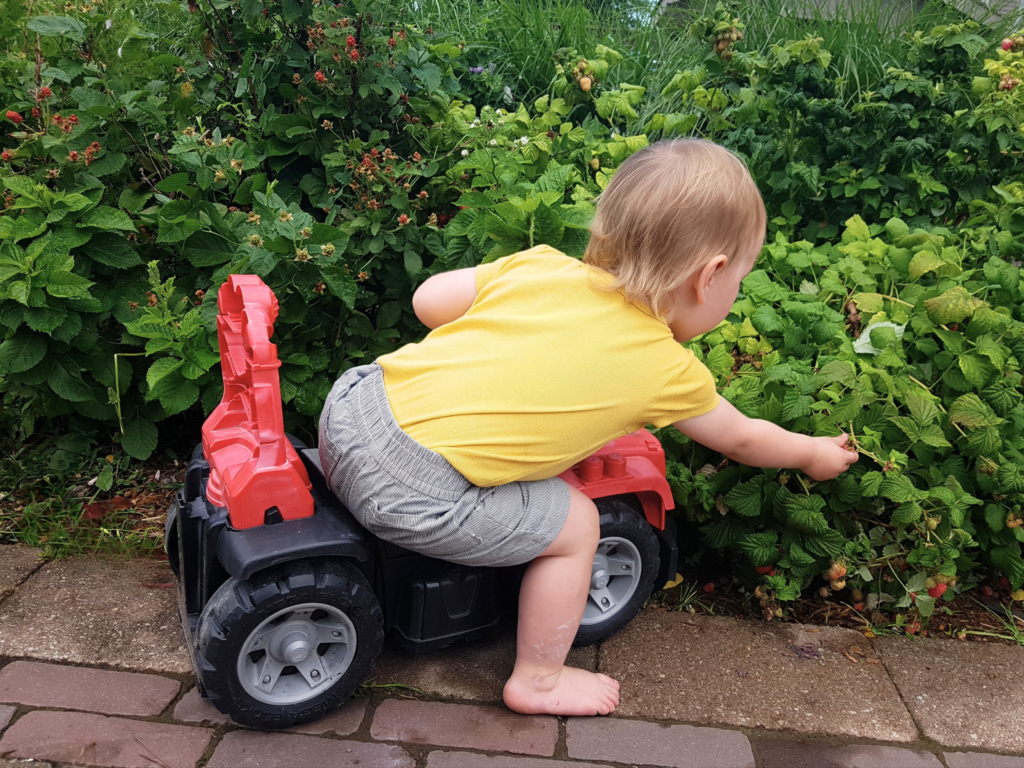
My children are only 3.5, 3.5, and 2 years old, but I have yet to hear any of them say, “I’m bored.”
While I am home with them throughout the day, I am not exclusively available as their entertainer. I believe children benefit from having opportunities to create their own fun rather than relying on an adult to provide constant stimulation.
Rushing to fix a child’s boredom robs them of this opportunity for self discovery. Healthy boredom can breed creativity, problem-solving, patience, and self confidence. Part of this giving children the space to entertain themselves.
Inviting Independent Play
Having twins, along with a younger sibling close in age, means their interests often overlap. Many toys and activities naturally appeal to all three children, and they frequently play together. Cooperative play has taught them to share and better work through disagreements, though this is an ongoing lesson.
At the same time, there are moments when one child wants to complete an activity independently without siblings interrupting. I try to respect those boundaries and encourage the others to find something else to do rather than insisting they all play together. Independent play is an important life skill I want to nourish, especially in our crowded home.
When children aren’t constantly directed or entertained, they often discover fascinating ways to engage with the world around them. Sometimes that means taking on a big building project, or taking an interest in small details of an ordinary object. Sometimes they are simply watching what is happening around them, taking it all in.
One of my twins especially enjoys people-watching. He can happily sit at a someone’s side, watching them at work. What might look like doing nothing is actually a valuable opportunity to observe and make sense of the world.
I don’t believe every quiet moment needs to be filled with an organized activity. I certainly couldn’t keep up that pace for my own wellbeing. Healthy boredom gives children the chance to slow down. It given them a chance to give thoughtful consideration for what interests them, and then try to explore that interest with what’s at hand. By resisting the urge to constantly entertain them, I hope I’m helping my children develop skills that will serve them well throughout life.
Hello, I’m Tabitha
A Montessori Mom of Multiples, sharing our family’s rhythm through a Montessori lens.
Here you’ll find honest reflections and practical ways to bring Montessori into your home while raising twins and multiple children.
Everything I write is crafted through lived experience, careful observation, and a genuine desire to support other families. I choose to keep my children’s faces private, share respectful content, and never use affiliate links.
A casual blog you can count on to be honestly written and lovingly informed on motherhood with multiples.