
If you have high energy toddlers or twins, you may feel that Montessori isn’t a good fit for your children.
It’s easy to become disillusioned by social media posts of serene play areas with perfectly organized shelves and very young children working quietly at their task for hours. Those pictures can be both inspiring and intimidating, especially when your little ones don’t seem to fit a prescribed mold of “a Montessori child”.
Montessori can still work beautifully in your home, even with high energy toddlers. Through practicing Montessori at home with my own twins, I’ve learned that active children are not a barrier to successful Montessori parenting. You just need to adjust your approach. Rather than trying to force calm, we channel their energy it into purposeful, high-effort practical life activities.
Here are some practical tips for creating a Montessori-friendly home that supports high energy toddlers:
1. Create a YES Environment for Active Exploration
Saying “no” all day is exhausting— for the child and the parent. Maria Montessori famously said, “Play is the work of the child.”
Imagine going to work every day and constantly being reprimanded for doing a bad job. Never being quite sure of what’s expected, or whether your efforts will be met with praise or scorn. The same is true for your toddler, and this dynamic can weigh heavily on both children if one twin is being corrected more than the other.
A Montessori YES environment is thoughtfully prepared spaces with specific attention paid to freedom of independent movement and age-appropriate exploration. I don’t want a sterile environment stripped of challenges, just one that reduces unnecessary or unsafe obstacles. An easy first step is to get down on your knees and look at the space from a child’s perspective. Ask yourself, what is within reach? What could draw your child’s attention? What temptations can you mitigate or remove?
An ounce of preparation saves an hour of correcting.
My high energy twins thrive in this environment where they can be trusted to move freely and work independently without constant supervision. When both children are very curious and highly active, a YES environment is crucial in prolonging periods of deep concentration. It’s also much less likely to disrupt one twin’s focused work by needing to redirect the other. It empowers them to follow their curiosity without being told “no” at every turn.
2. Create a Daily Rhythm (Not a Rigid Schedule)
Our home runs on a daily rhythm, rather than a rigid schedule. This rhythm allows for flexibility based on the twins’ moods, energy levels, interests, and external factors like the weather or unexpected changes in the day. A rhythm creates predictability from natural transitions without being locked into time slots. The twins easily anticipate what will happen next, and most importantly what is expected of them.
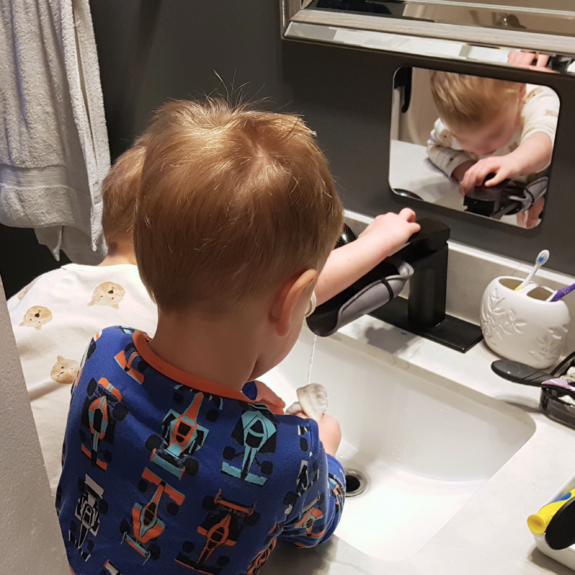
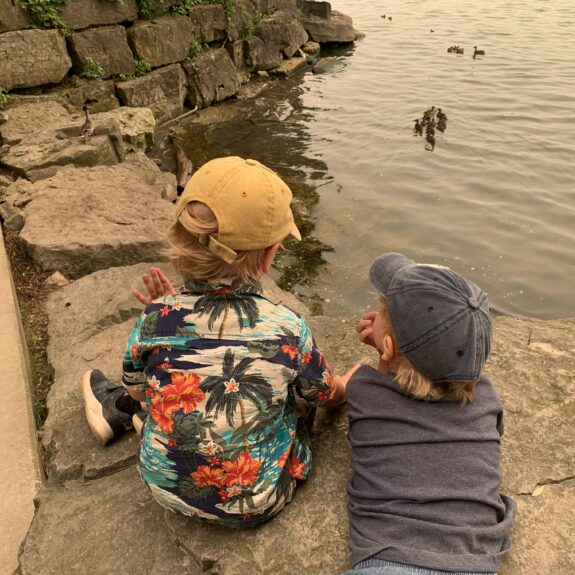
For example, they know we wash our hands when returning from the park, and then a snack will typically follow. They have the autonomy to decline the snack if they’re not hungry. This reduces anxiousness when we are out playing. Should they become hungry, a snack is expected when we return home.
Having this flexibility reduces the likelihood of power struggles and meltdowns. When their evolving needs are taken into consideration, they feel heard. We’re all given a bit more breathing room.
This is especially helpful for high energy toddlers. I can observe and gently guide the flow of the day with realistic goals and expectations in real time. A daily rhythm makes it easier for my high energy twins to self-regulate, feeling their needs are respected and supported. So far, they are really thriving in an environments that respond to their internal cues, rather than an external clock.
3. Use Montessori Practical Life Activities to Channel Energy
My children are always enthusiastically interested in being involved with practical life tasks. Social media is filled with small-scale Montessori activities that simulate real-life household work. High energy toddlers often respond much better to the real thing.
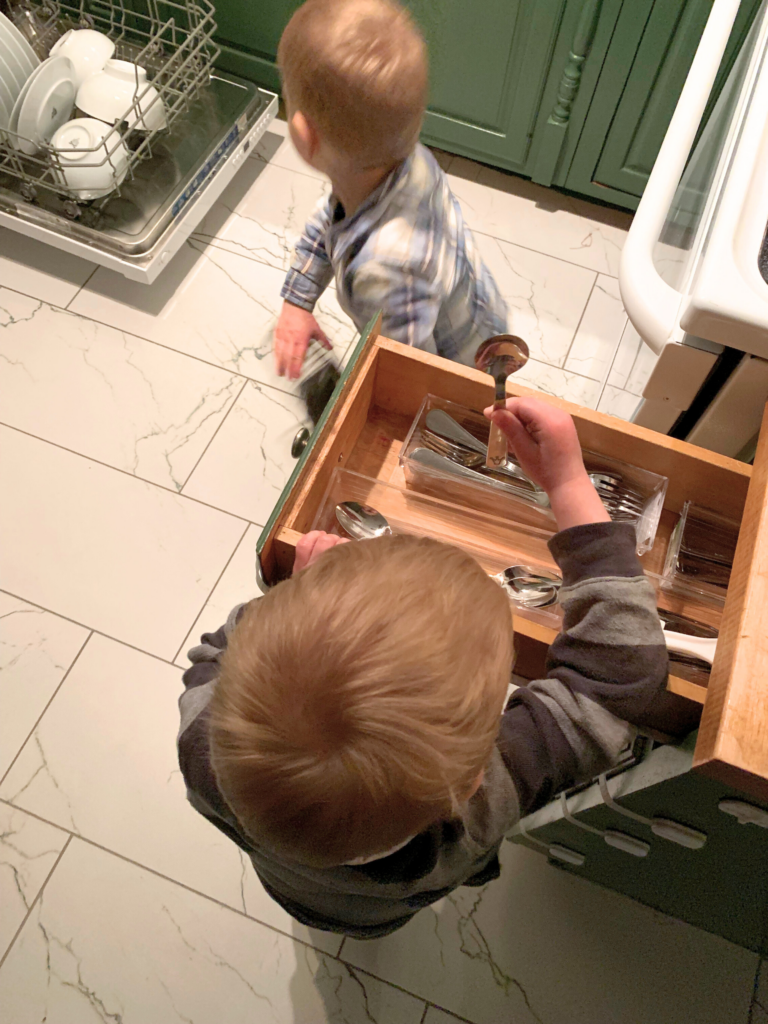
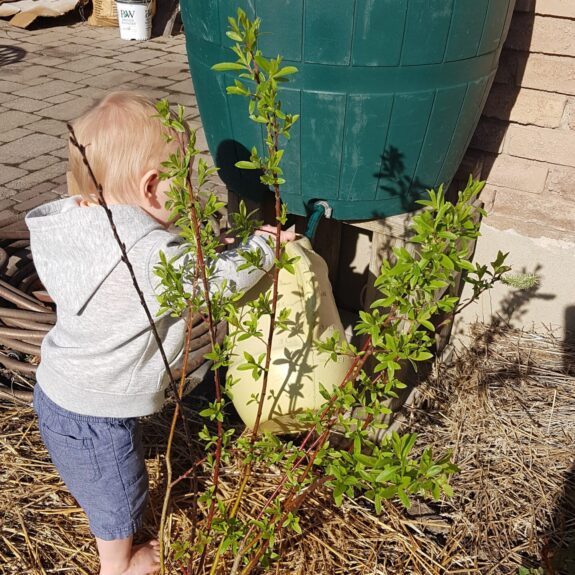
My children enjoy big, full-body movements that require maximum effort. This looks like carrying bags of groceries from the porch to the kitchen, unloading laundry from the basket to their room, cleaning floors and windows with a spray bottle and cleaning cloths, and many other daily tasks around the house. These activities help meet their need for purposeful movement.
The important thing here is that I’m careful to limit the scope of the work to prevent mental fatigue. The twins may be excited to put away their blocks, but too many at once can leave them feeling overwhelmed and unsure of where to start.